
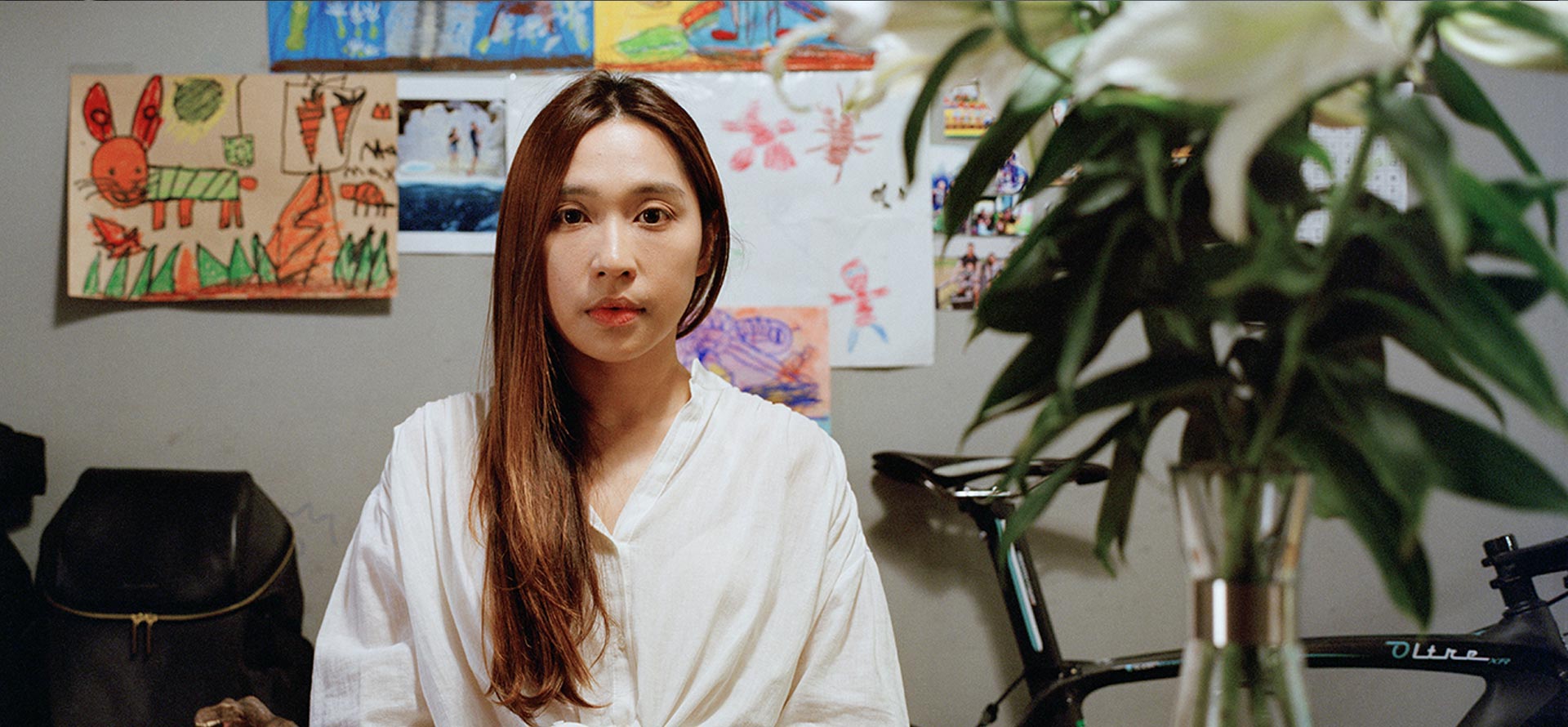

«What a wonderful day! After 10 Years»
The South Korean photographer’s first Italian exhibition at MAD in Florence thanks to the Korea Film Fest
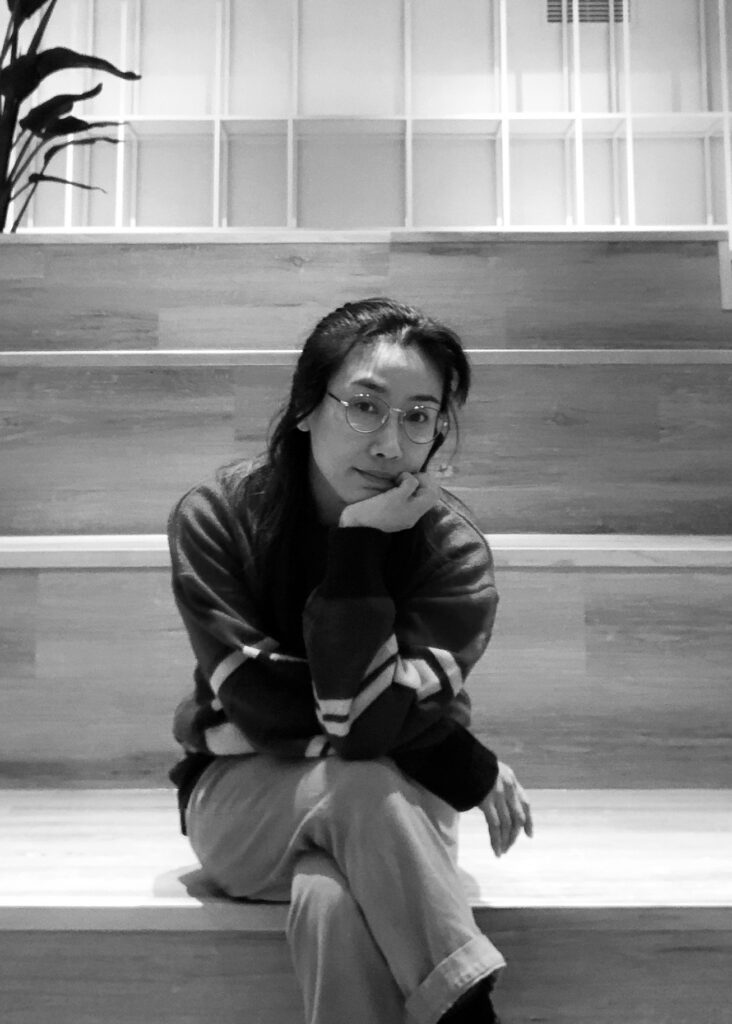
Jinhee Bae, born and based in Seoul, South Korea. About her long-term photography projects she tells us: “We grow through our daily lives, we are constantly confronted with the question of who we are (…) I wonder what the daily routine we face from now on will mean to us. In this sense, the work is still ongoing, not an end”
Her photography and media work were exhibited in New York, Tokyo, and London, mainly on long-term projects related to people, and as an exhibition planner and publisher, a Korean booth was planned and directed in Photoville New York, the largest photography festival in eastern, from 2016 to 2019 to promote Korean photography. In 2018 and 2019, she attended Foto Fever, a young photo festival in Paris, and has been constantly promoting exchanges with other countries.
First of all thanks a lot for this interview, we are really grateful for this opportunity!
I am also grateful that you are interested in my work and interviewed me.
What role has photography played in your life? When did you start to photograph?
The first time I started photography was when I entered university. I originally entered Hongik University’s Department of Visual Communication Design, which is the most famous school for art in Korea. Therefore, everyone is proud of their design-related subjects. I wanted to talk about myself, but the basis of the design was to have a client and accept their suggestions and requests. I couldn’t adapt well, and I was fascinated by the photography class, a subject necessary for design during the class, and I started taking pictures from then on and have been doing it until now. Maybe photos are like friends to me, as I said before.
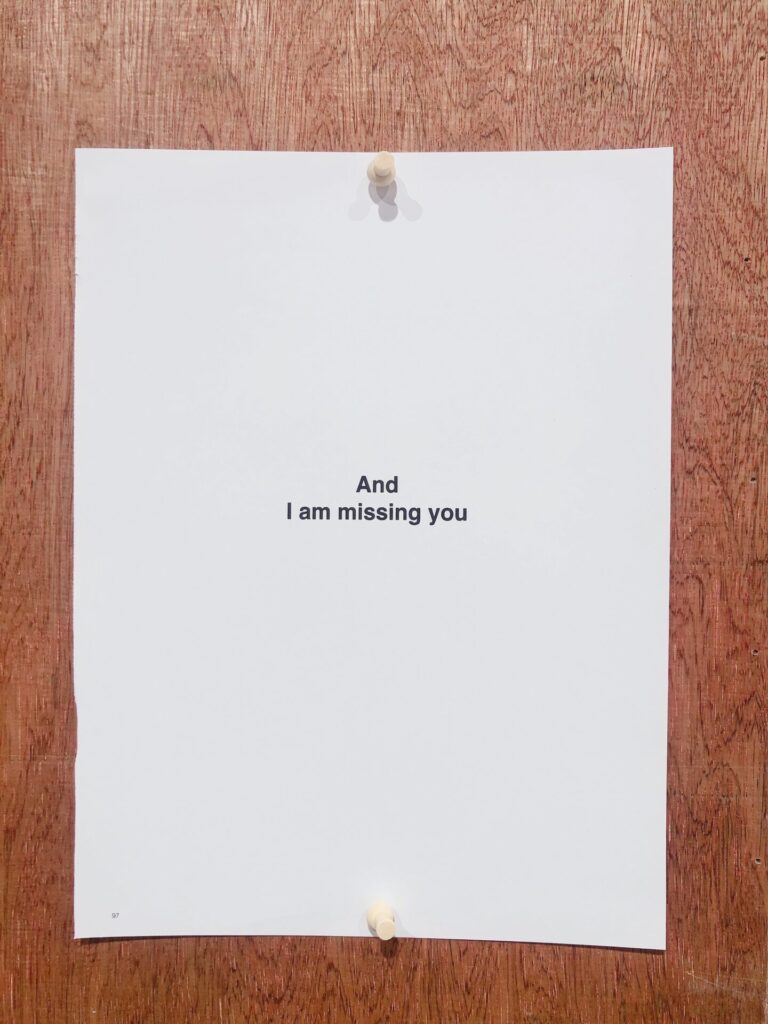
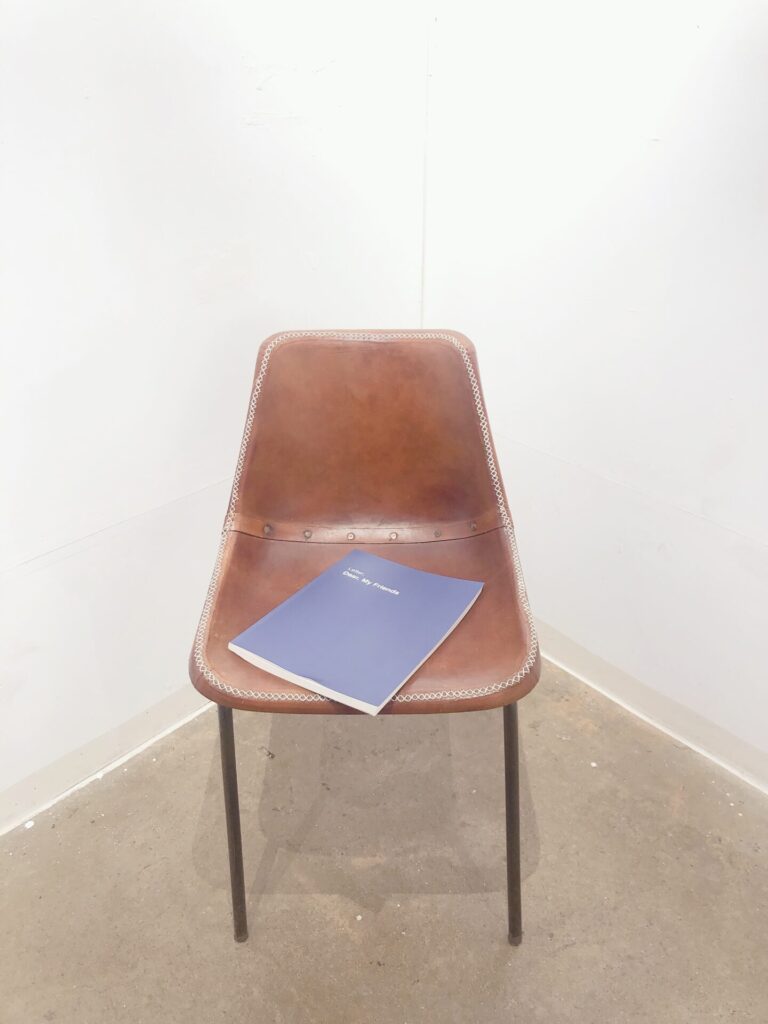
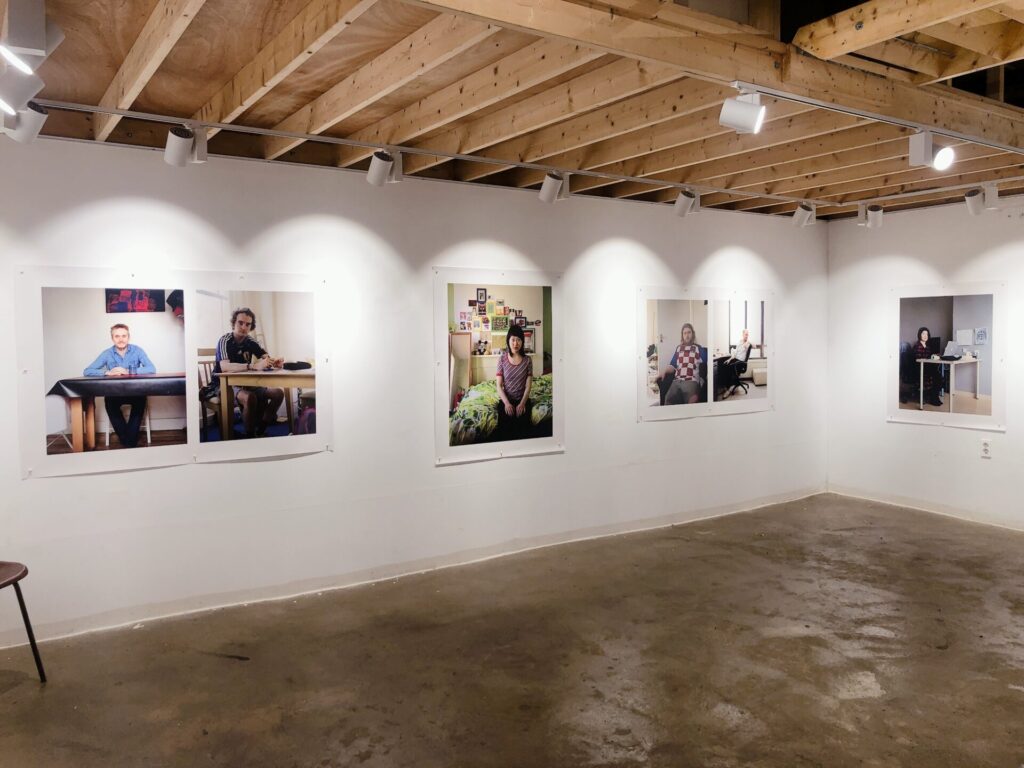
You chose to photograph in large format, you prefer long-term project, telling through documentary photography. It seems photography is a wide space of your soul where you can stop and take time, reflect, calmly look at what is happening around you, in short giving back importance to interior Time.
That’s right. I wanted to watch every moment carefully. Common daily life gathers and eventually makes my huge history. The history of my or individual existence is made up of beautiful, precious, precious moments and insignificant, embarrassing, and forgettable moments. Therefore, I become humble and calm in front of a large camera. This is because it is the moment when my existence is included in the moment of my subjects. That’s why I want to see them for a long time. This is also why I’m doing a long-term project.
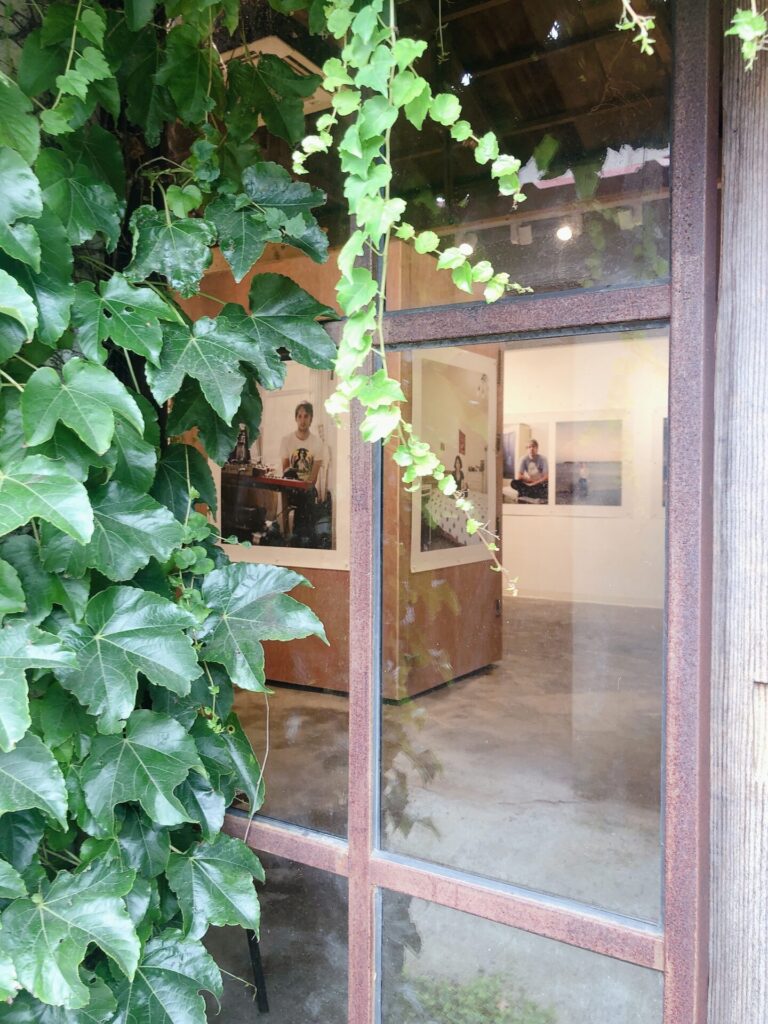
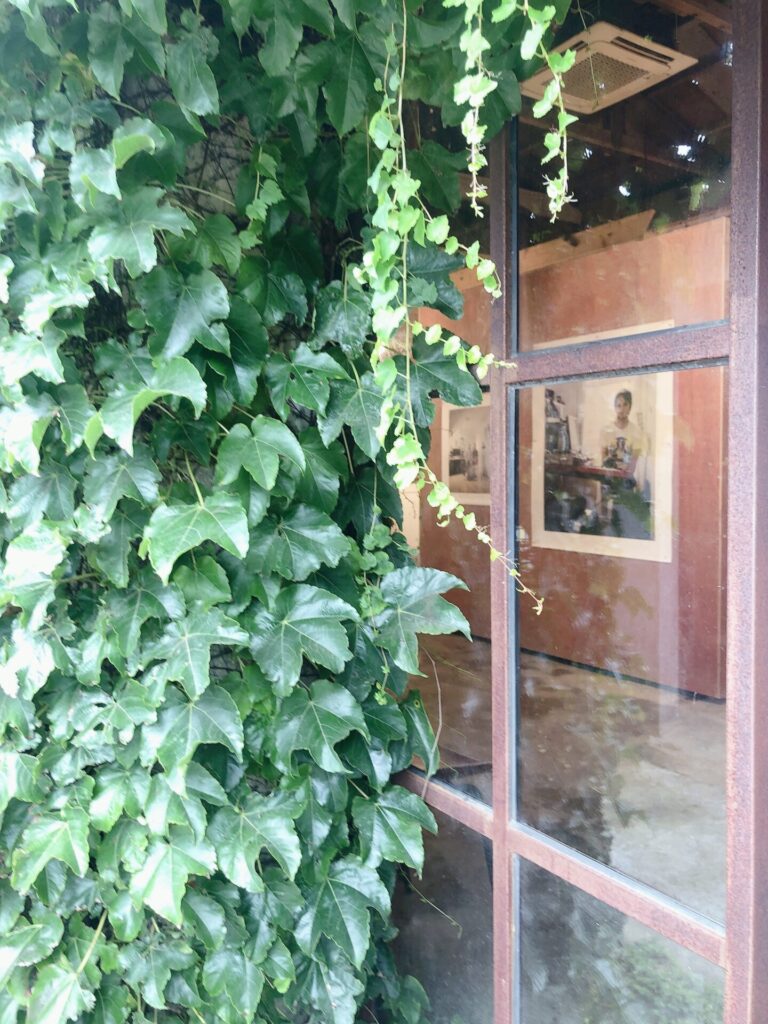
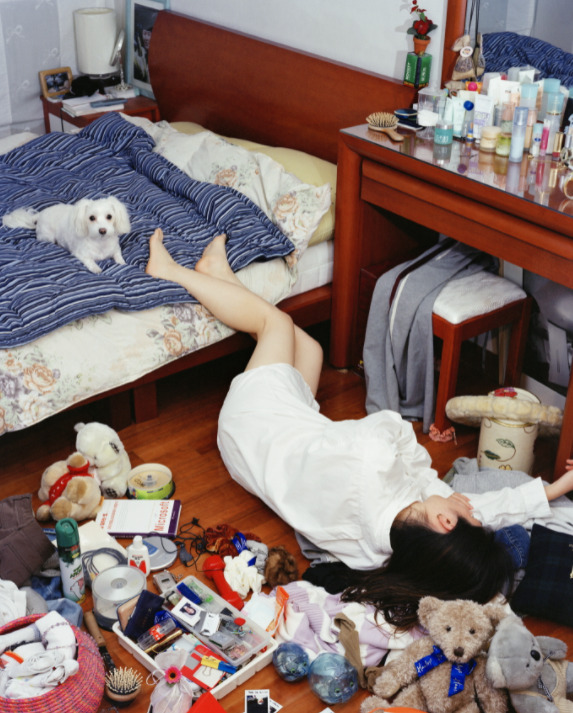
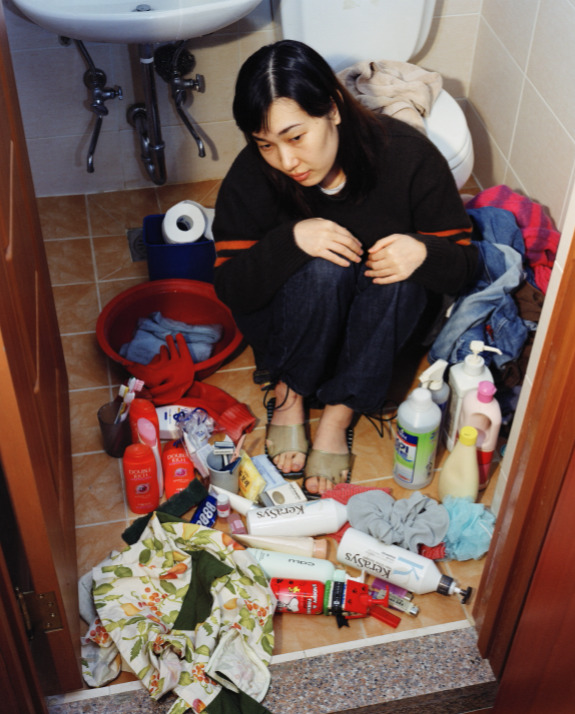
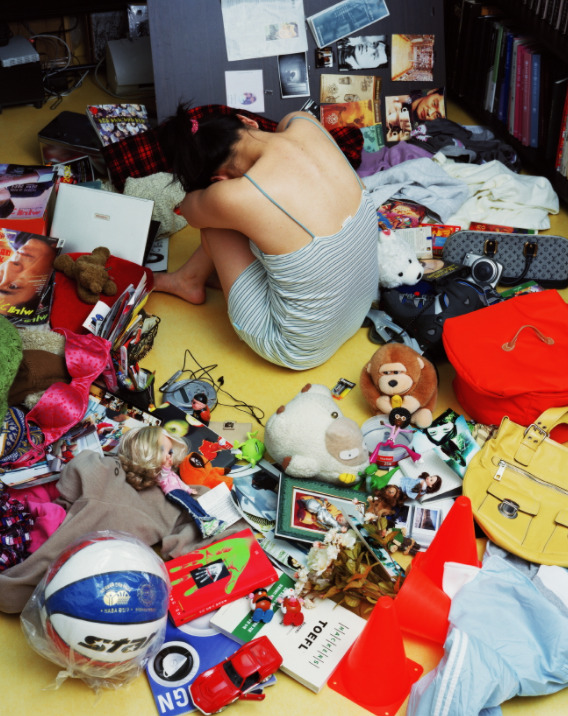
The quantity of objects, of “physical presence” in your photos is surprising, sometimes food, books, cosmetics, clothes, blankets share a same space. Do you want to express the difficulty of human condition or the excesses of our society?
Yes, I think you read my picture well. I don’t know if you saw my first work, but in that photo, I just poured everything on the floor of the room and took a picture. It was to show their identity, but I wanted to show my generation. My generation’s childhood was the golden age of Korea’s development history, and in middle and high school, foreign cultures poured in, liberalized overseas travel, and studying abroad naturally.
Therefore, all my things in my childhood were symbols of my parents’ wealth and pride, but my things in my adulthood were expressions of my independence and my parents’ helplessness.
Therefore, it can be seen that the objects shown in my picture reflect the overall social phenomenon including models.

When do you decide how long your long term photography projects would last? Do you live with people you portray or you just see and met them occasionally? And when do you ‘feel’ that time is up and the project is ready (or over)?
It depends on the project. My parents’ work has been photographed almost every day for 10 years, so we lived together, and other work has been lived together for a certain period of time, never contacted at all, and there are many ways. What is clear, however, is that forming a consensus with them is the most important. This story ends when the consensus is gone. The “WHAT A WONDERFUL DAY!” work will be completed 10 years later in 2027. In 2007, when I first took the picture, I already decided to work on it three times, but I can’t think of a reason.:)
And it is the mother-daughter work that I am currently working on, and I am going to work on mothers and daughters from Korea and other countries for about 3-5 years.
In our Times there is a hyperproduction of images, they are taking over our lives. Do you think would they replace words? And what can they express that cannot words?
I think images are never replaced by our lives, but reflective. It only serves as one of the various forms of language. However, the difference between the creator and the acceptor of it will be important whether the gap is wide or narrow.
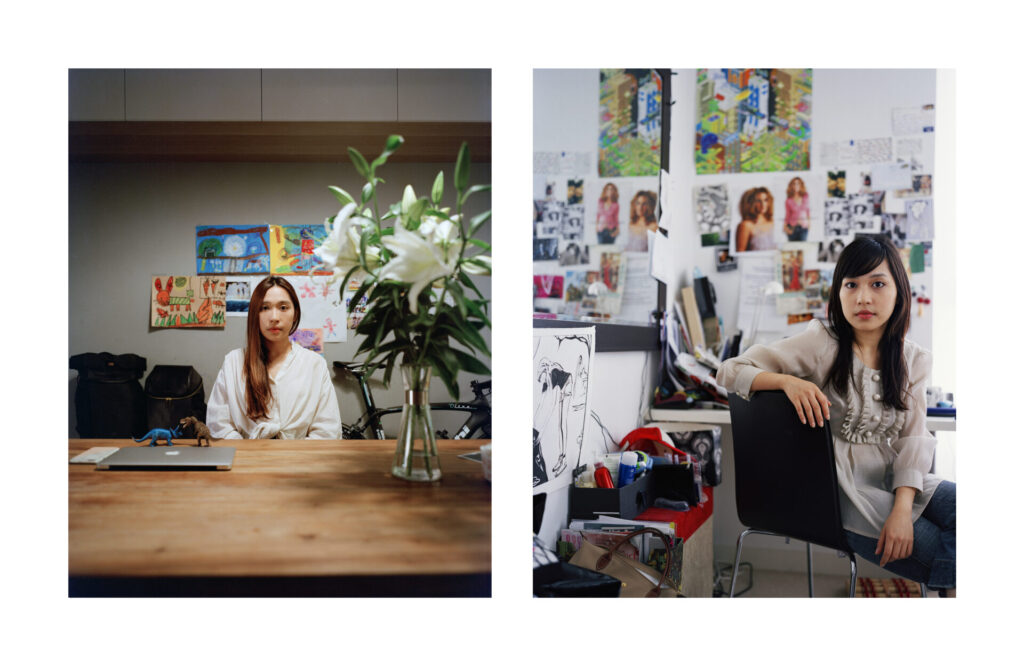
What a Wonderful Day! After 10 Years
It’s a story after 10 years. Ten years ago I and my friends came to London with different motives and goals. We filled the time given in our own way and left London and went back to our respective places. We grow through our daily lives. I wanted to tell you that young people from other countries who came to London share their lifestyles in their daily lives and share their own identities at the same time. Ten years later, the story simply shows how they are living in their current positions, but it ultimately means another cultural sharing through their present and past encounters.